
-
Evaluation of Irregular or Heavy Periods
Irregular or heavy periods are common and can affect women at any age. Irregular periods may come too often, too far apart, or skip months. Heavy periods may last longer than usual or involve heavier flow. These symptoms can interfere with daily activities and may sometimes lead to low iron or anemia.
-
PCOS (Polycystic Ovary Syndrome) Management
Polycystic ovarian syndrome (PCOS) is a common endocrinal disorder and one of the common causes of infertility among women. It is characterized by an ovulation dysfunction or impedance to the normal growth and release of eggs from the ovaries. It is commonly seen in women of child-bearing age and is rare after menopause. The hormonal imbalance results in enlarged ovaries containing several small cysts (fluid-filled sacs).
-
PMS and PMDD Treatment
PMS (premenstrual syndrome) and PMDD (premenstrual dysphoric disorder) treatment refers to treatment modalities employed to treat PMS and PMDD, which are both menstrual cycle–related conditions.
-
Menopause Management
Every woman goes through several changes in her body functions, which marks different stages in her life. With puberty, starts the menstrual cycle, where certain hormones control the monthly release of the egg and preparation for pregnancy. The termination of menstruation and fertility of women is known as menopause and occurs 12 months after your last menstrual period when you are in your forties or fifties. Some women can experience menopause before their forties, and the condition is known as premature menopause.
-
Hormone Replacement Therapy (HRT)
Hormone replacement therapy (HRT), also called “menopausal hormone therapy (MHT)”, is a remedial treatment used to relieve uncomfortable symptoms caused by menopause.
Menstrual & Hormonal Health










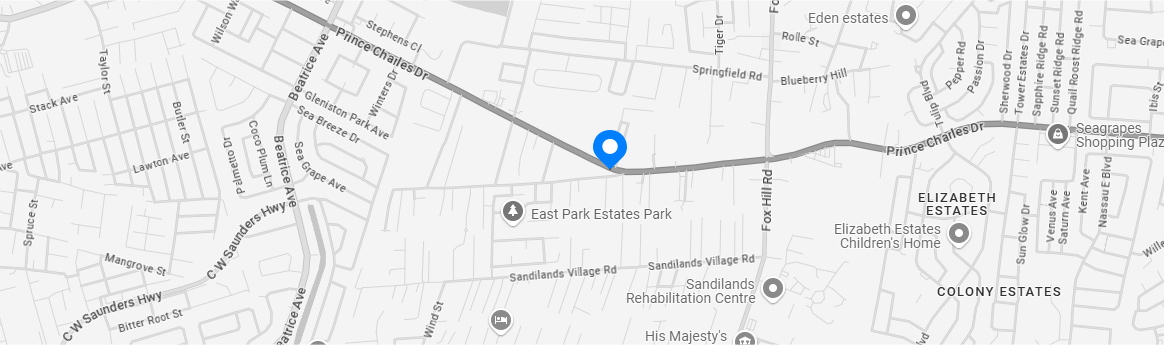
Location & Directions
Contact Us
- 244B Prince Charles Drive,
Suite 100,
Nassau, Bahamas - Monday – Friday 10:00 am to 05:00 pm