
-
Healthy weight management is not only about losing weight—it is about creating lasting habits that support your overall health. This includes eating well, staying active, and building the skills to make those changes stick. With medical guidance, your plan is based on science and tailored to your needs.
-
Meal Planning and Portion Control Education
Good nutrition is the foundation of weight care. Support includes:
- Choosing foods that are nutrient-dense and balanced
- Learning portion sizes that prevent overeating
- Balancing carbohydrates, proteins, and healthy fats for steady energy
- Using simple strategies such as meal prep, food journaling, and label reading to make healthier choices easier
-
Medical Nutrition Therapy
If you have medical conditions such as diabetes, high blood pressure, or high cholesterol, your plan is designed to address these while supporting weight management. Medical nutrition therapy uses targeted food and nutrition strategies to improve health outcomes and weight control at the same time.
-
Customized Physical Activity Recommendations
Physical activity is an important part of both weight loss and long-term weight maintenance. Research shows that combining aerobic activity with resistance training is most effective for improving health and supporting weight goals. Your plan will be customized to your medical history, fitness level, and preferences. This may include:
- Aerobic activity: Regular moderate-intensity exercise, such as brisk walking, swimming, or cycling, helps improve heart health and burn calories. Current guidelines suggest aiming for about 150 minutes per week, adjusted to what is safe and realistic for you.
- Strength training: Building lean muscle through resistance exercises increases your resting metabolism, supports bone health, and improves body composition.
- Flexibility and balance exercises: Stretching and activities like yoga or Pilates reduce injury risk and support overall mobility.
- Stepwise progression: Exercise plans are introduced gradually to lower injury risk and improve long-term adherence. The focus is on consistency, not perfection
With medical oversight, physical activity is prescribed as part of your overall treatment plan, just like nutrition and medications, ensuring that it is safe and effective for your health needs.
-
Cognitive-behavioral Strategies to Support Lasting Behavior Change
Managing weight involves more than food and exercise alone. Because obesity is a chronic disease influenced by biology, environment, and behavior, support focuses on building skills that make healthy changes easier and more sustainable.
Behavioral strategies may include:
- Understanding how factors like stress, sleep, and environment affect eating and activity patterns
- Learning practical coping tools that support overall health and well-being
- Using mindful eating to build awareness of hunger and satisfaction cues
- Developing routines that make healthy choices more automatic in daily life
The goal is to create supportive strategies that work in real life, helping you feel more confident and consistent without blame or judgment.
-
Goal Setting, Motivation Building, and Relapse Prevention Tools
Lasting results come from steady progress and support along the way. With ongoing follow-up you will:
- Set realistic short-term and long-term goals
- Track your progress and celebrate milestones
- Build confidence with motivation strategies
- Learn tools to prevent relapse and get back on track quickly if setbacks occur
Medical weight management combines nutrition, physical activity, and behavioral strategies into one comprehensive plan. The goal is to help you create healthier habits that last and improve your overall well-being.
Nutrition, Lifestyle and Behavioral Support











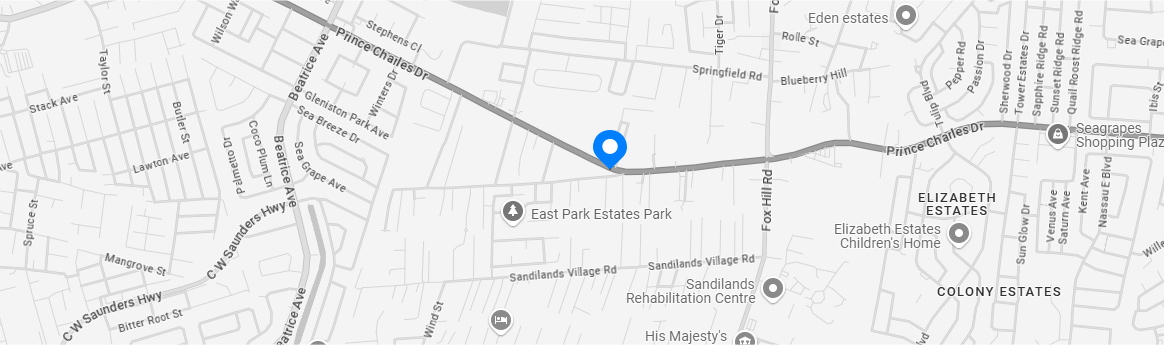
Location & Directions
Contact Us
- 244B Prince Charles Drive,
Suite 100,
Nassau, Bahamas - Monday – Friday 10:00 am to 05:00 pm