
-
Medications can play an important role in helping some people achieve and maintain a healthy weight. In medical weight management, medications are prescribed thoughtfully, based on scientific evidence and your individual health profile. They are most effective when used alongside nutrition guidance, physical activity, and behavior support.
-
Evidence-based Medication Options for Weight Management
Weight management medications work in different ways, such as reducing appetite, improving fullness, or helping control cravings. Your doctor will recommend options that are supported by international medical guidelines and shown to be safe and effective for long term use. Medication choices are always tailored to your specific health needs and goals.
-
Evaluation and Adjustment of Medications Linked to Weight Gain
Sometimes, medications prescribed for other conditions such as diabetes, high blood pressure, depression, or hormonal disorders can make weight management more challenging. During your evaluation, your doctor will review your current medications to see if any may be contributing to weight gain. If appropriate, alternatives or adjustments can be discussed to better support both your overall health and your weight goals.
-
Personalized Medication Transition Plans
If changes to your medication are recommended, they are done gradually and under close supervision. Transition plans are personalized to keep your medical conditions well controlled while also supporting weight loss or weight maintenance. This ensures that adjustments are both safe and effective, minimizing side effects and helping you feel confident in your treatment plan.
Medication management in weight care is not one size fits all. It is a careful, individualized process that combines the safest evidence based options with close medical supervision, always keeping your overall health as the top priority.
Medication Management













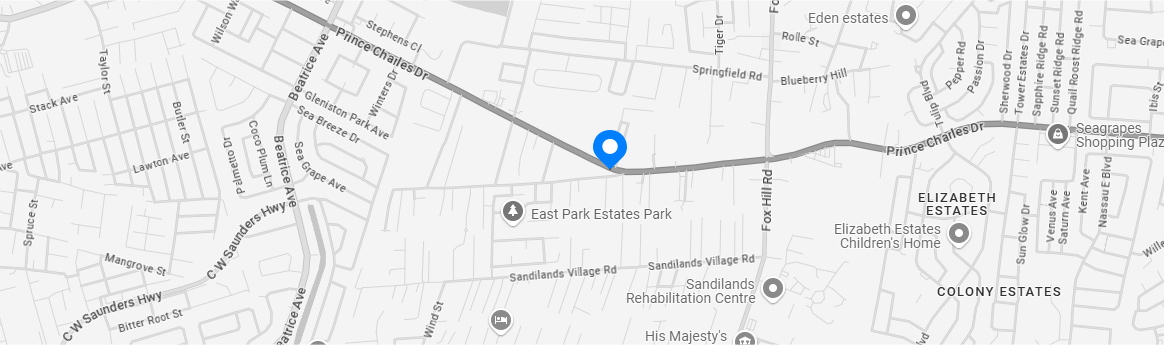
Location & Directions
Contact Us
- 244B Prince Charles Drive,
Suite 100,
Nassau, Bahamas - Monday – Friday 10:00 am to 05:00 pm