
-
Medical weight management is a comprehensive, evidence-based approach to treating obesity, which is recognized as a chronic and relapsing disease influenced by genetics, biology, environment, and behavior. Unlike commercial diet programs, medical weight management is guided by a physician trained in obesity medicine and focuses on your unique health needs. Care is individualized and built on proven strategies to improve long-term health, reduce the risk of complications, and support lasting results.
-
Personalized Weight Loss Plans
Every person’s body, lifestyle, and health history are different. That is why individualized care is the foundation of medical weight management.
A personalized weight loss plan may include:
- Comprehensive evaluation: review of medical history, lab work, medications, sleep patterns, and lifestyle factors
- Nutrition guidance: evidence-based meal planning that emphasizes nutrient-dense foods and sustainable eating habits
- Physical activity support: safe and practical exercise recommendations based on your fitness level and goals
- Behavioral strategies: tools to address habits, stress, and emotional eating
- Medication management: when appropriate, prescription weight loss medications may be used to support appetite regulation and metabolism, based on safety and effectiveness data from international medical guidelines.
Plans are regularly adjusted based on progress and feedback, ensuring care remains tailored to your needs.
-
Ongoing Weight Management for Adults and Adolescents
Weight management is not just about losing weight, it is also about keeping it off and supporting long-term health. Ongoing care helps identify challenges early and provides accountability.
- For adults: regular follow-up visits allow for adjustment of nutrition, exercise, or medication strategies. These visits also help monitor related health conditions such as high blood pressure, diabetes, or cholesterol.
- For adolescents, specialized support focuses on safe, age-appropriate interventions. Guidance includes family involvement, healthy growth, and prevention of future health problems.
This ongoing partnership provides patients and families with consistent support, education, and encouragement.
-
Guidance for Weight Plateaus and Post Weight Loss Regain
It is common to experience weight plateaus or some regain after weight loss. These challenges are not failures, but normal biological responses. Medical weight management provides strategies to overcome them, including:
- Reviewing eating patterns and activity routines for small but effective adjustments
- Considering temporary changes in meal structure or macronutrient balance
- Adjusting or re-starting medication support if indicated
- Addressing sleep, stress, or hormonal factors that may interfere with progress
- Providing encouragement and realistic expectations, focusing on health improvements rather than only numbers on the scale
With evidence-based guidance, patients can break through plateaus and regain momentum toward their goals.
Key Takeaway
Medical weight management is more than a short-term diet plan. It is a personalized, physician-led program that provides long-term support for adults and adolescents. Whether starting your weight loss journey, navigating plateaus, or preventing weight regain, medical weight management offers the tools and guidance you need for safe and lasting results.
Medical Weight Management










Location & Directions
Contact Us
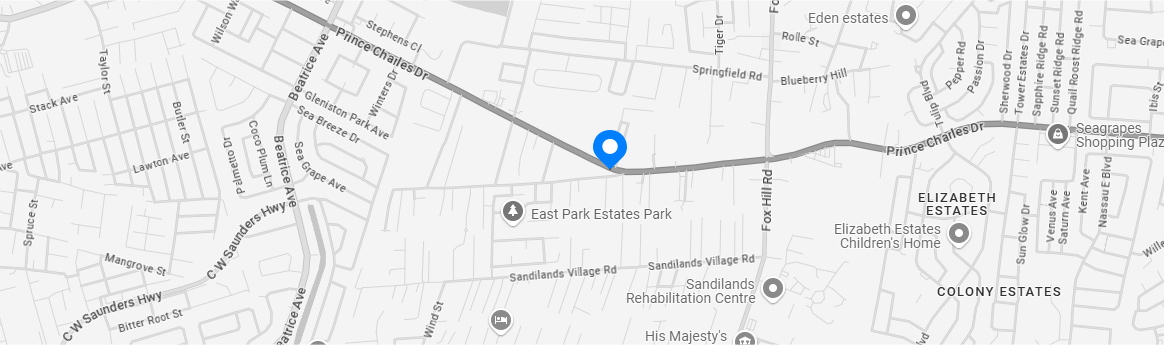
- 244B Prince Charles Drive,
Suite 100,
Nassau, Bahamas - Monday – Friday 10:00 am to 05:00 pm